Project Overview
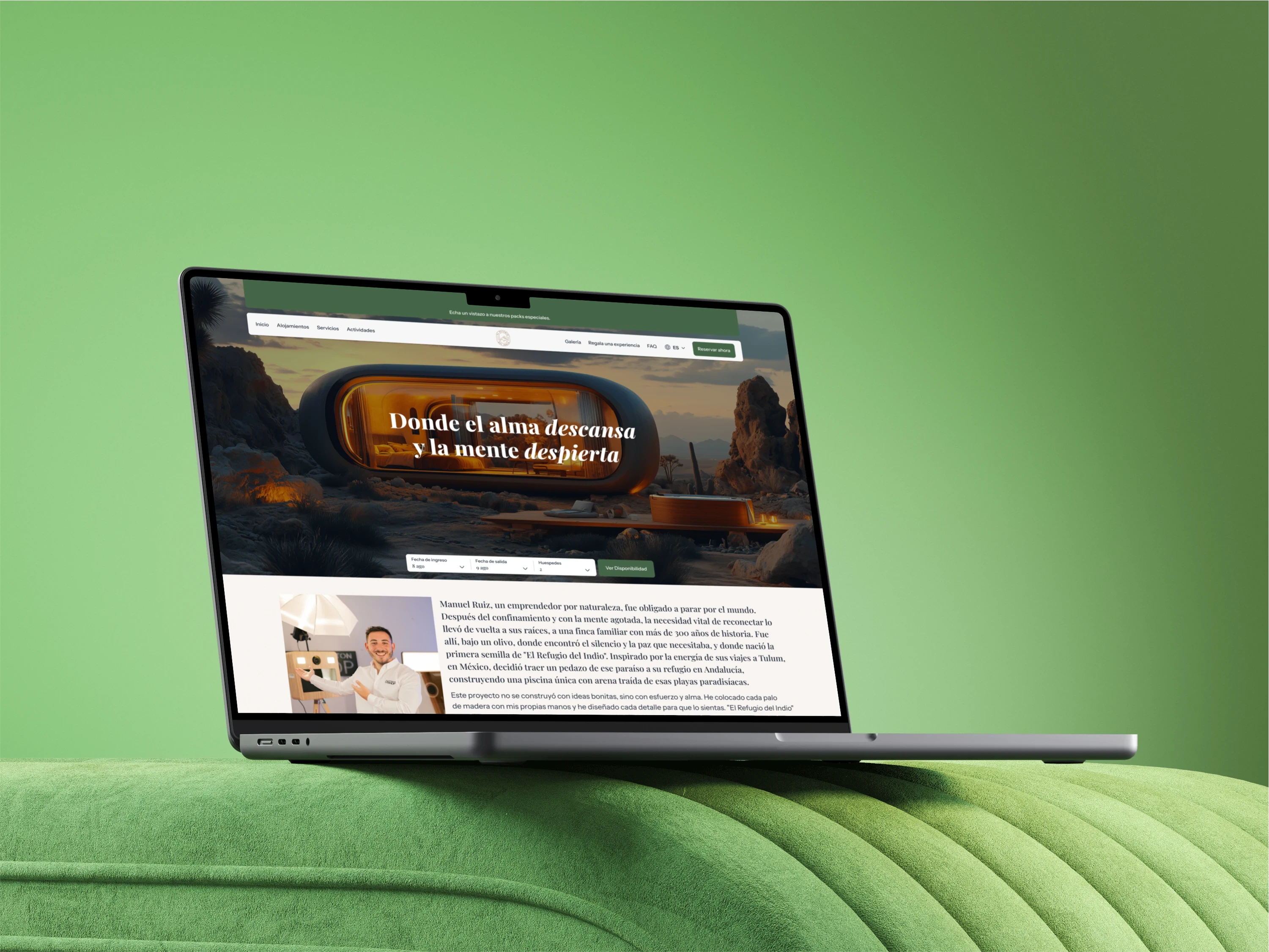
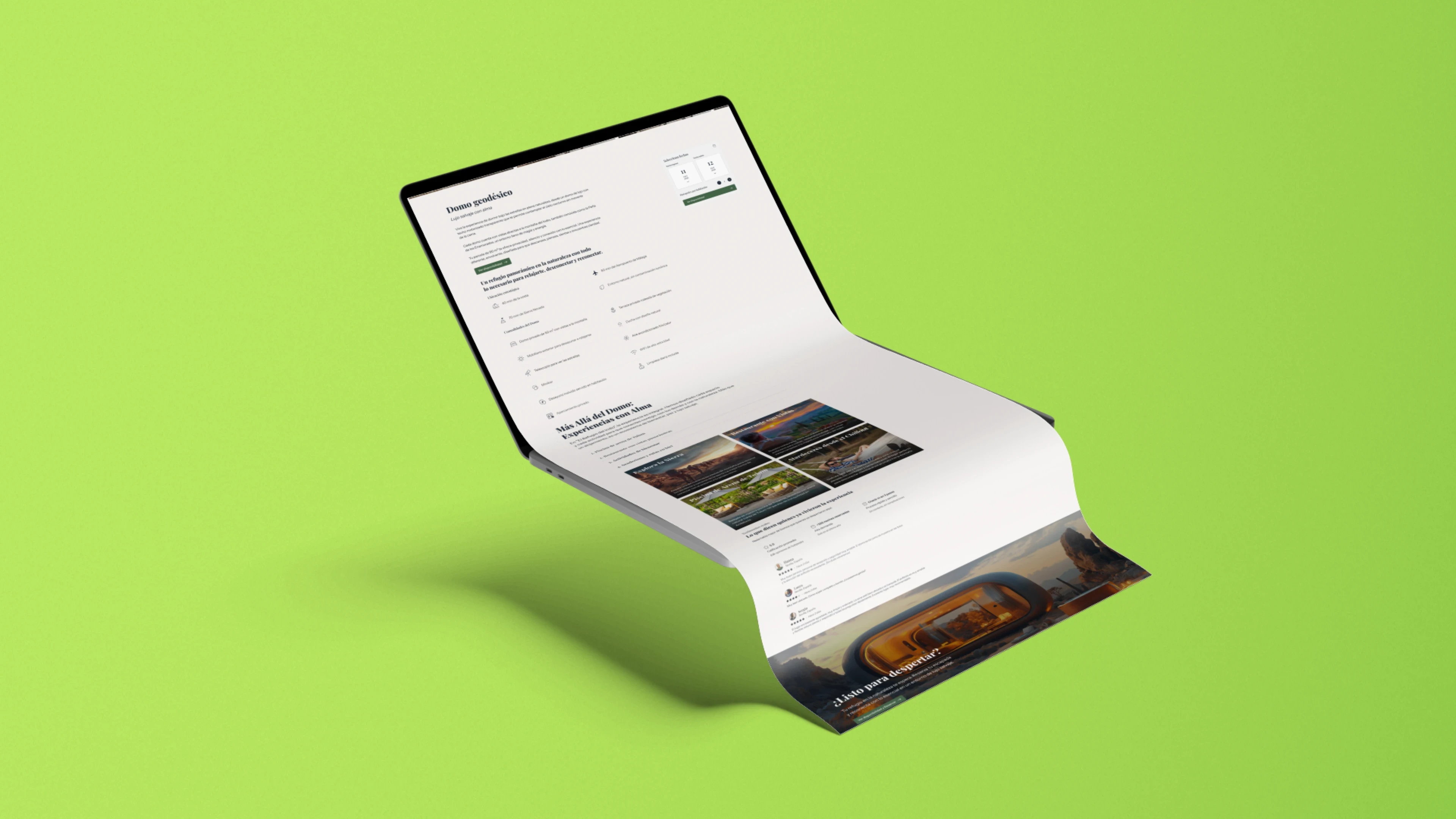
The project consisted of redesigning the web experience for "El Refugio del Indio," a luxury glamping site surrounded by nature. The main challenge was to translate the client's values of peace, disconnection, and exclusivity into a functional and aesthetically appealing digital interface. This involved analyzing and optimizing key flows such as the "Give A Gift" option, structuring a coherent visual narrative for the internal pages, and ensuring alignment between the client's vision and user experience best practices.
Key Results
Improved Navigation and Consistency |
|---|
Redundant sections were unified to create a more fluid and logical page structure. |
Optimized Checkout Flow |
A "Give A Gift" landing page was designed with a simplified form, which resolved the friction point with the external booking platform (MEWS). |
Improved Visual Storytelling |
The gallery page was redesigned with a bento grid to tell a story through images in a more dynamic way. |
Scalable design system |
Two reusable base templates were created that optimized the production of internal pages, such as "About Us" and "FAQs," without sacrificing visual consistency. |
The Problem
The client sought to create a web experience that would not only function as a booking tool but also serve as an extension of the "El Refugio del Indio" brand, conveying the values of peace, exclusivity, and connection with nature.
However, the initial brief and analysis of the reference pages revealed several points of friction and areas for improvement:
Inconsistent Content |
|---|
There was redundancy on the "Experiences" page, with sections that had similar intentions, which could confuse the user. |
Conversion Friction |
The checkout flow for the "Special Packages" did not align with the external booking platform (MEWS), which could lead to frustration and cart abandonment. |
Lack of Visual Storytelling |
The photo gallery, one of the most important sections for a luxury brand, lacked a structure that maximized the visual impact of the images. |
Content Repurposing |
The lack of a clear strategy for internal pages meant the client planned to use a single template, which wasn't optimal for pages with a strong narrative component like "Get to Know Us." |
My Objectives
The main objective of this UX research was to analyze the client's requirements and potential user expectations for the new website for "El Refugio del Indio." The goal is to identify points of friction and opportunities for improvement, and define the structure and narrative of a site that conveys the values of peace, disconnection, and sustainable luxury.
2. Methodology
In the absence of direct user research data, the methodology was based on a heuristic analysis and UX benchmarking of the reference websites. The findings were extracted from the documentation provided by the client and the user experience of the reference pages.
Techniques used:
Heuristic analysis of the client's brief.
UX benchmarking with reference websites (La Dehesa Experiences and Miluna).
Content analysis and narrative strategy of the project.
General Findings
The following challenges and needs to be addressed by the project were identified:
Issues Detected:
Inconsistent Content |
|---|
The 'Experiences' page featured sections with similar intentions, creating visual and narrative redundancy. |
Conversion Friction |
The 'Give' checkout flow was not aligned with the external booking platform, creating a frustrating experience for the user. |
Weak Visual Storytelling |
The image gallery lacked a structure that maximized the impact of the photographs, a key asset for the brand. |
Benchmarking UX
Analyzing direct competitors like Miluna and La Dehesa allowed me to identify both best practices (e.g., navigation structure, tone of voice) and areas for improvement (e.g., the grid photo gallery).
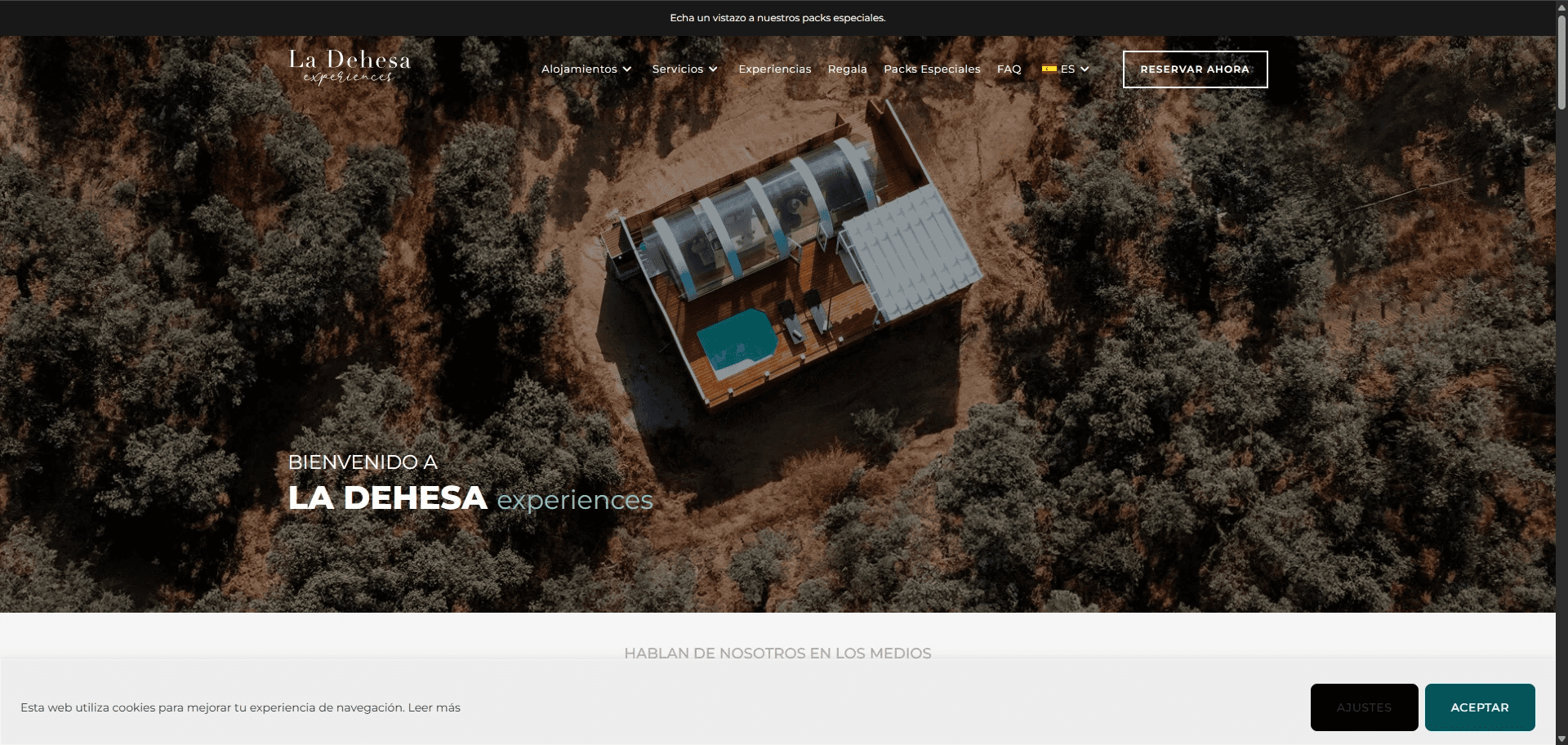 | 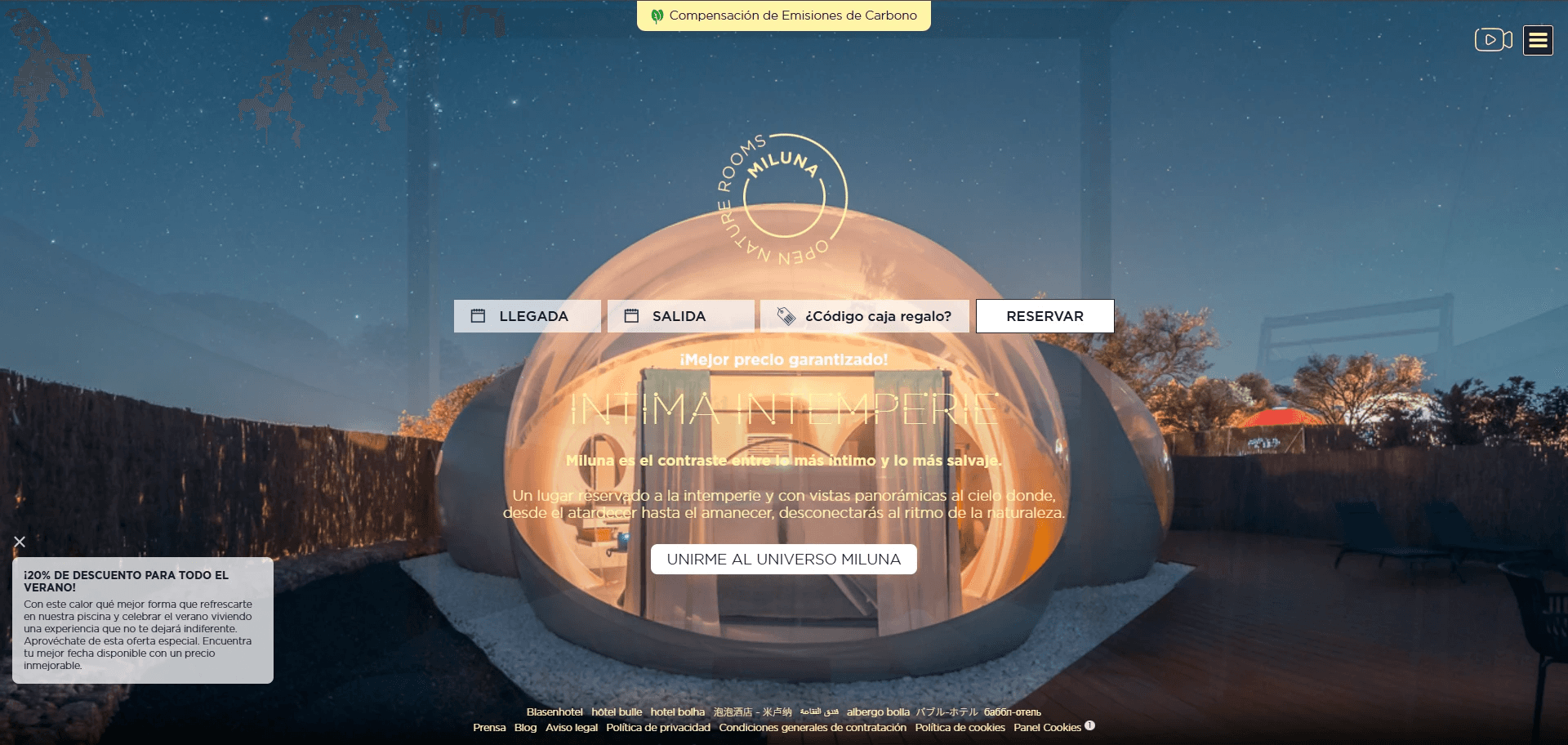 |
|---|---|
La Dahesa https://ladehesaexperiences.com/ | Mi Luna https://www.miluna.es/es |
Key findings
|
|---|
It stands out for its clear page structure and intuitive content hierarchy, ideal for replication. Its use of visual and textual blocks makes it easy to navigate the page. |
|
It serves as inspiration for its clean aesthetic and icon design. However, its image gallery, being a simple grid, doesn't take advantage of the photos' potential to tell a story and can feel monotonous compared to a more dynamic design. |
Empathy Map
To better understand our users' motivations, I created an empathy map based on the project's needs and values. My key user was Ana, a 34-year-old entrepreneur.
What they hear |
|---|
Jargons and technicak terms specific to your industry (e.g.,hardware, resins, abrasives). |
What they say and do |
They buy based on quality, availability, and trust in the supplier, rather than the lowest price. |
What they see |
Extensive and sometimes confusing product catalogs on competitor's websites. |
What they feel |
Frustration when they can't quickly find what they need |
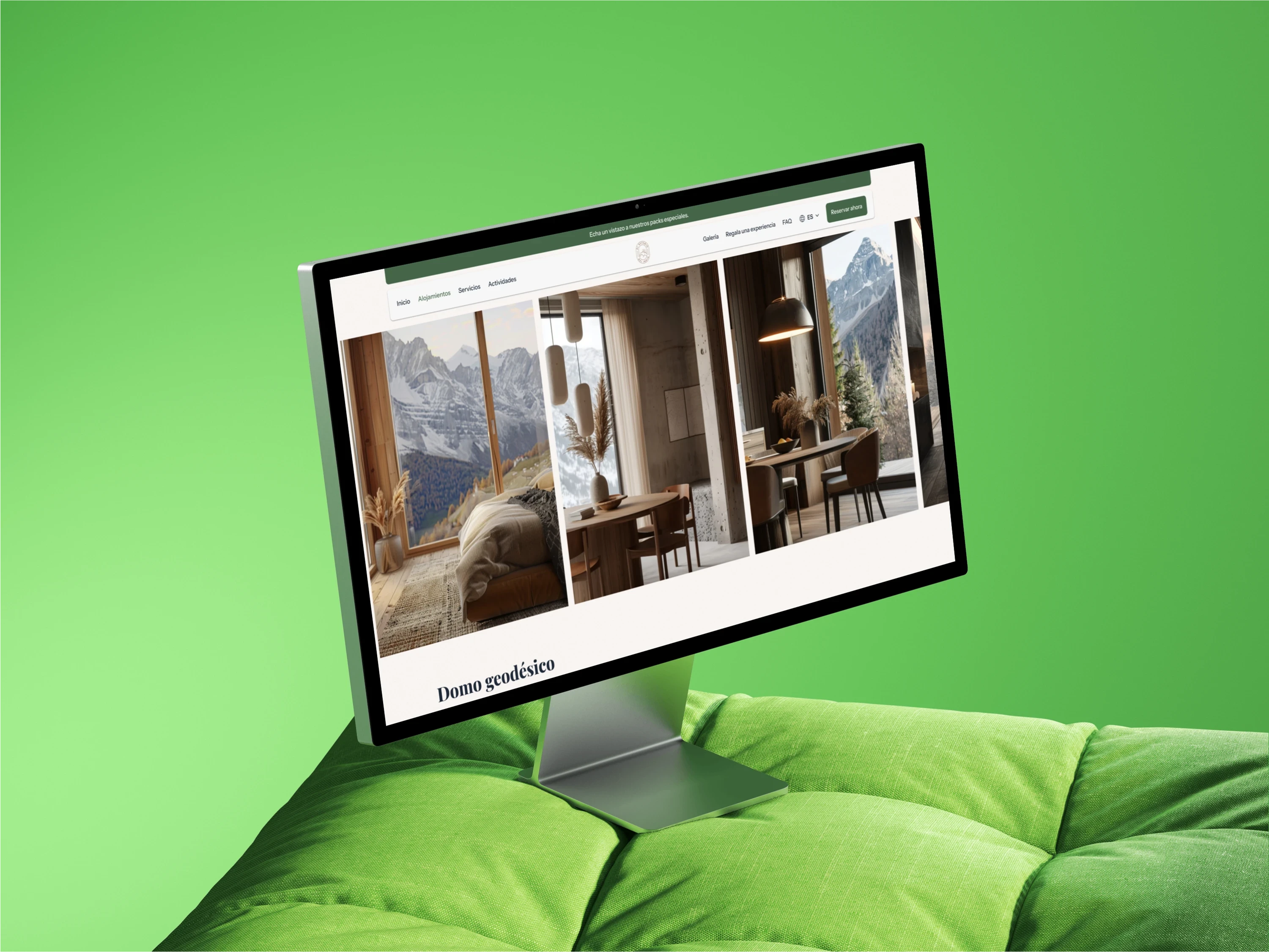
From Problem to Solution
Based on my analysis of pain points, I designed solutions focused on improving usability and visual storytelling, transforming challenges into opportunities.
Experience Page:

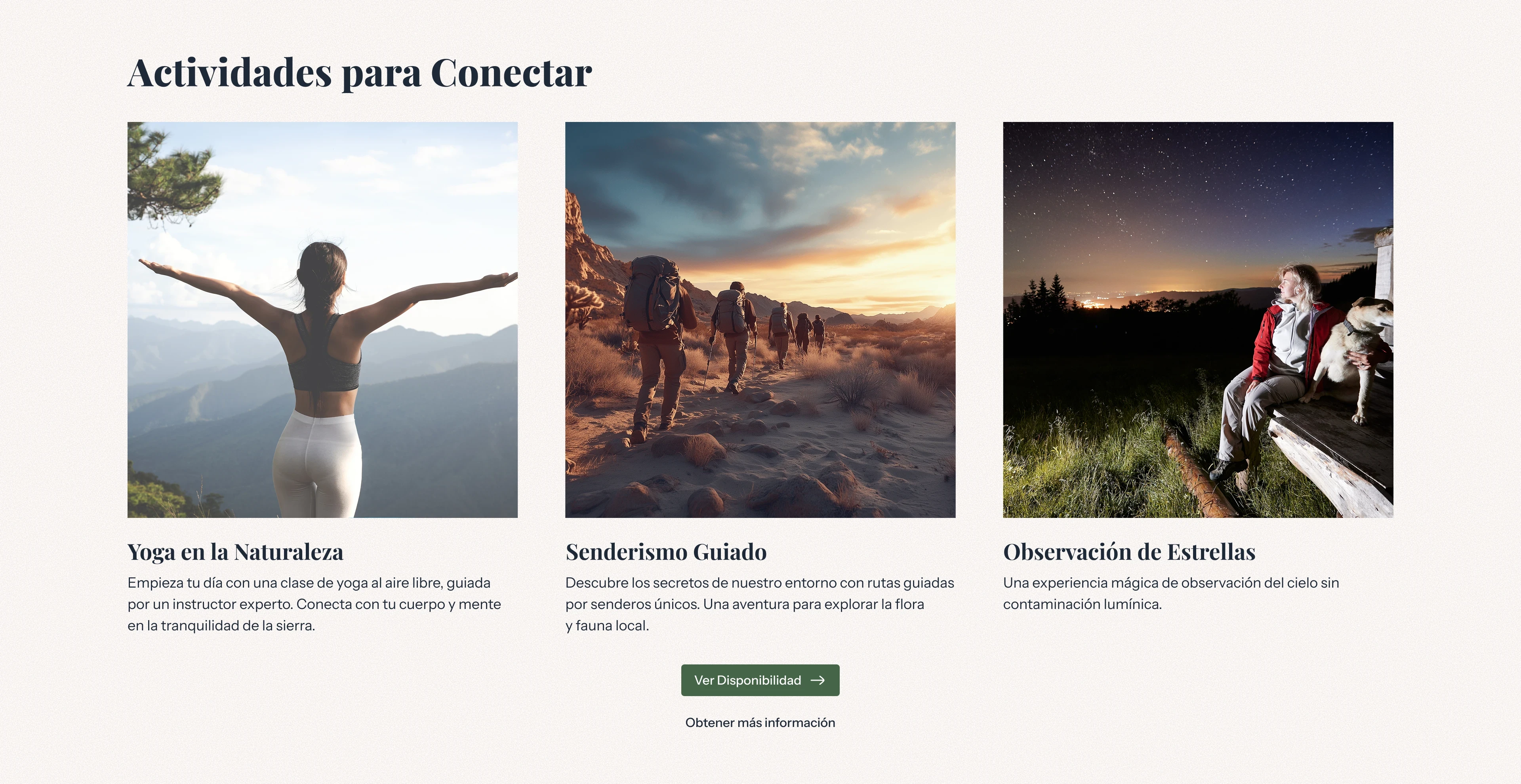
I unified redundant sections into a single page, creating a coherent navigation flow with a block-based design.
Gallery Page:
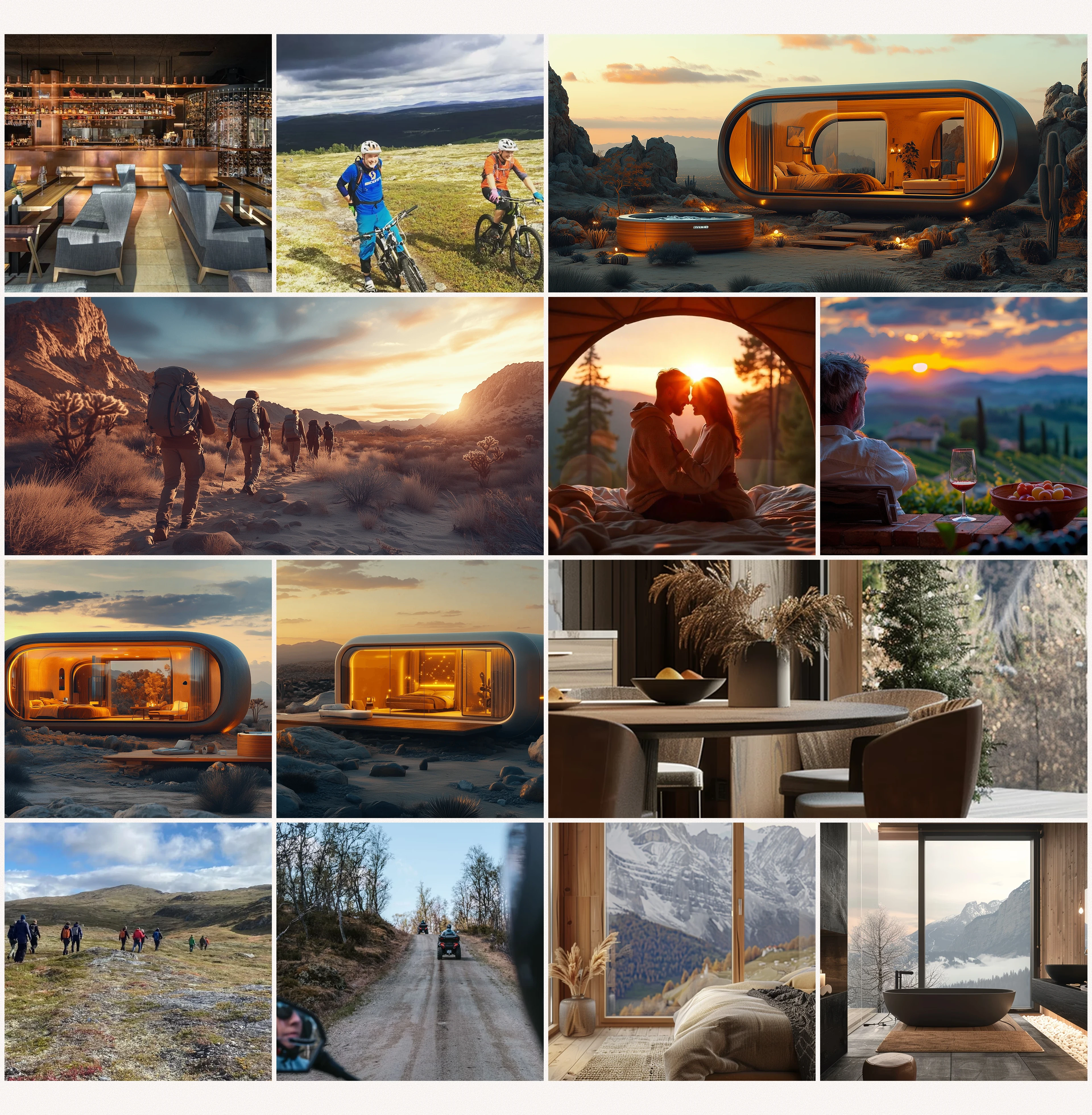
I replaced the standard grid with a bento grid format to create a more dynamic and artistic visual mosaic, elevating brand awareness.
Gift Flow:
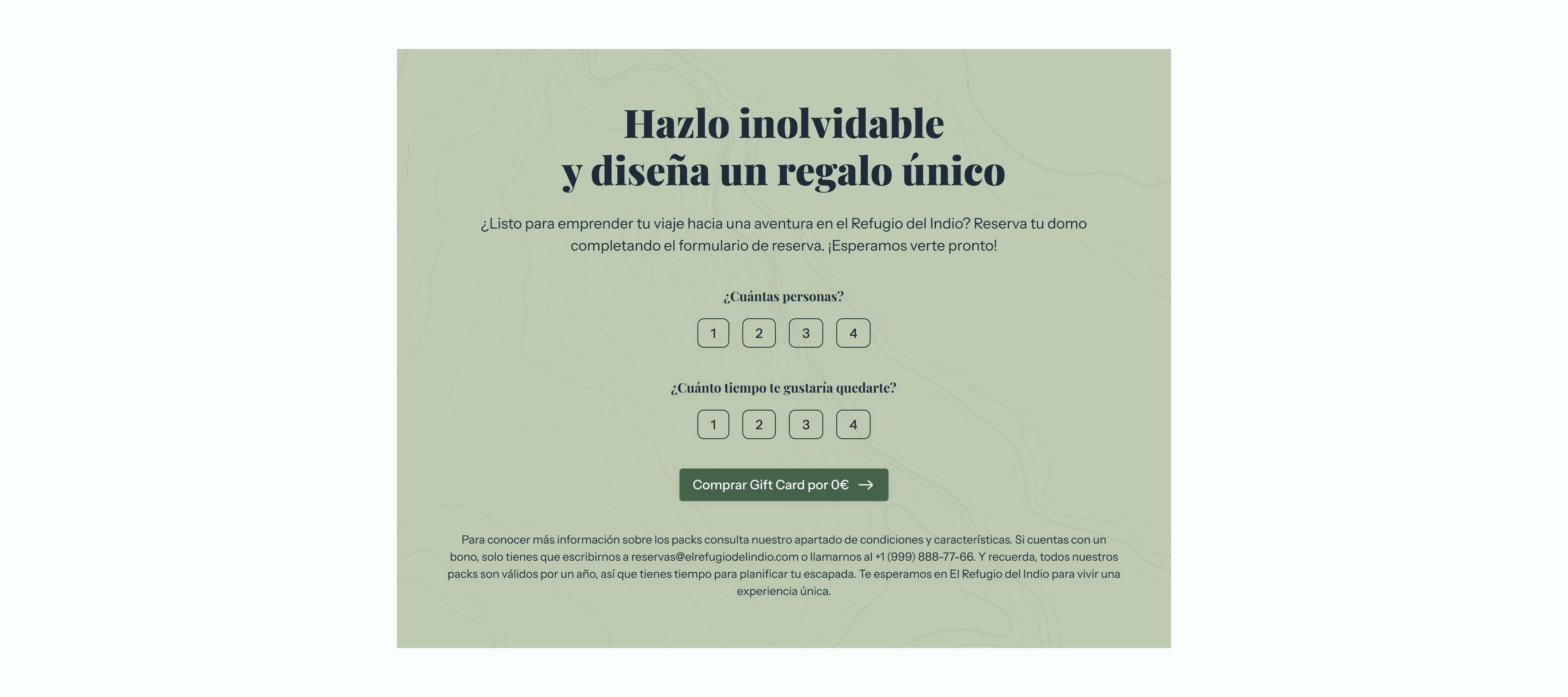
I designed a dedicated landing page with a mini-form that simplifies the purchasing process, eliminating the friction point of the external booking platform.
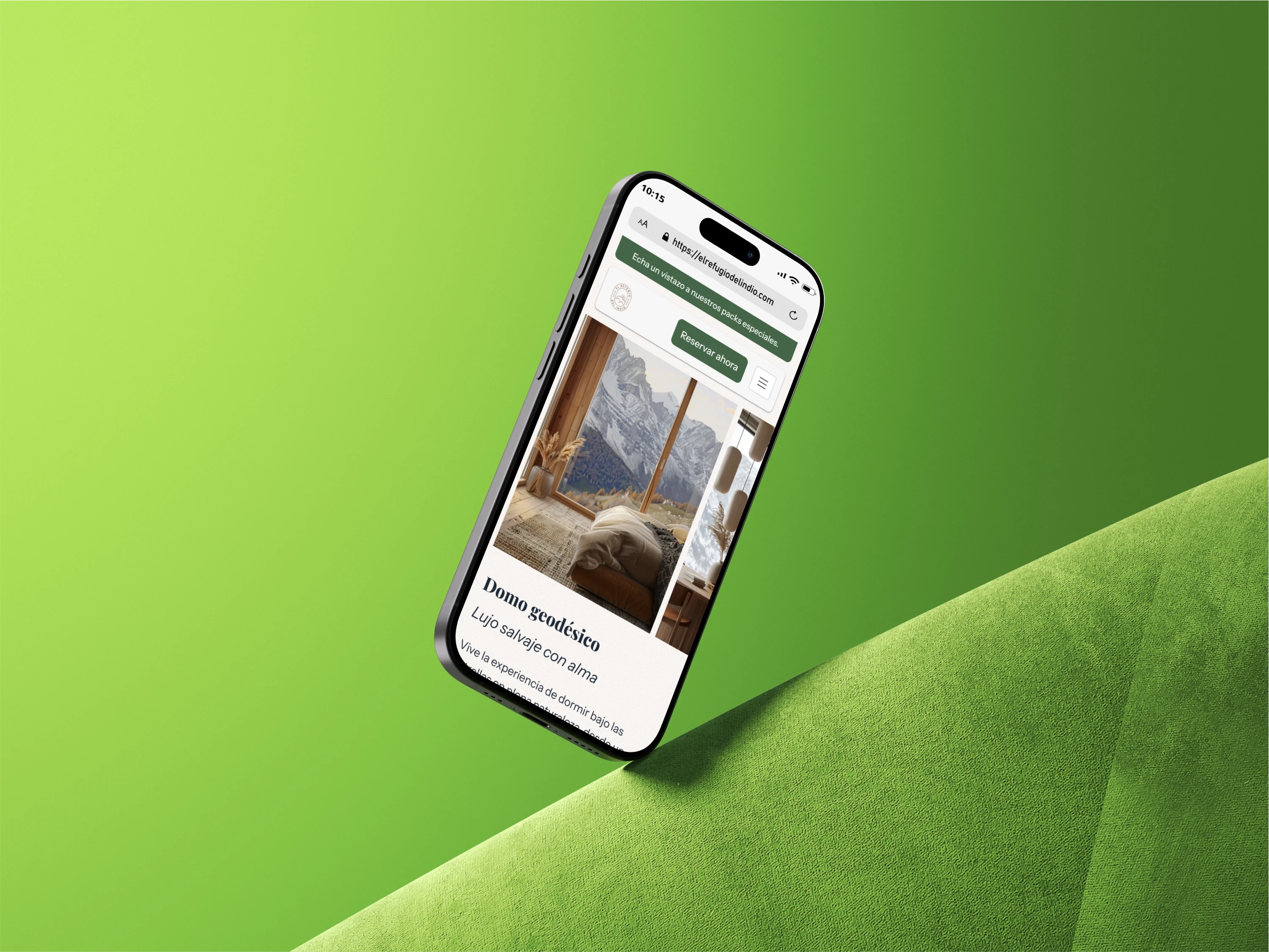
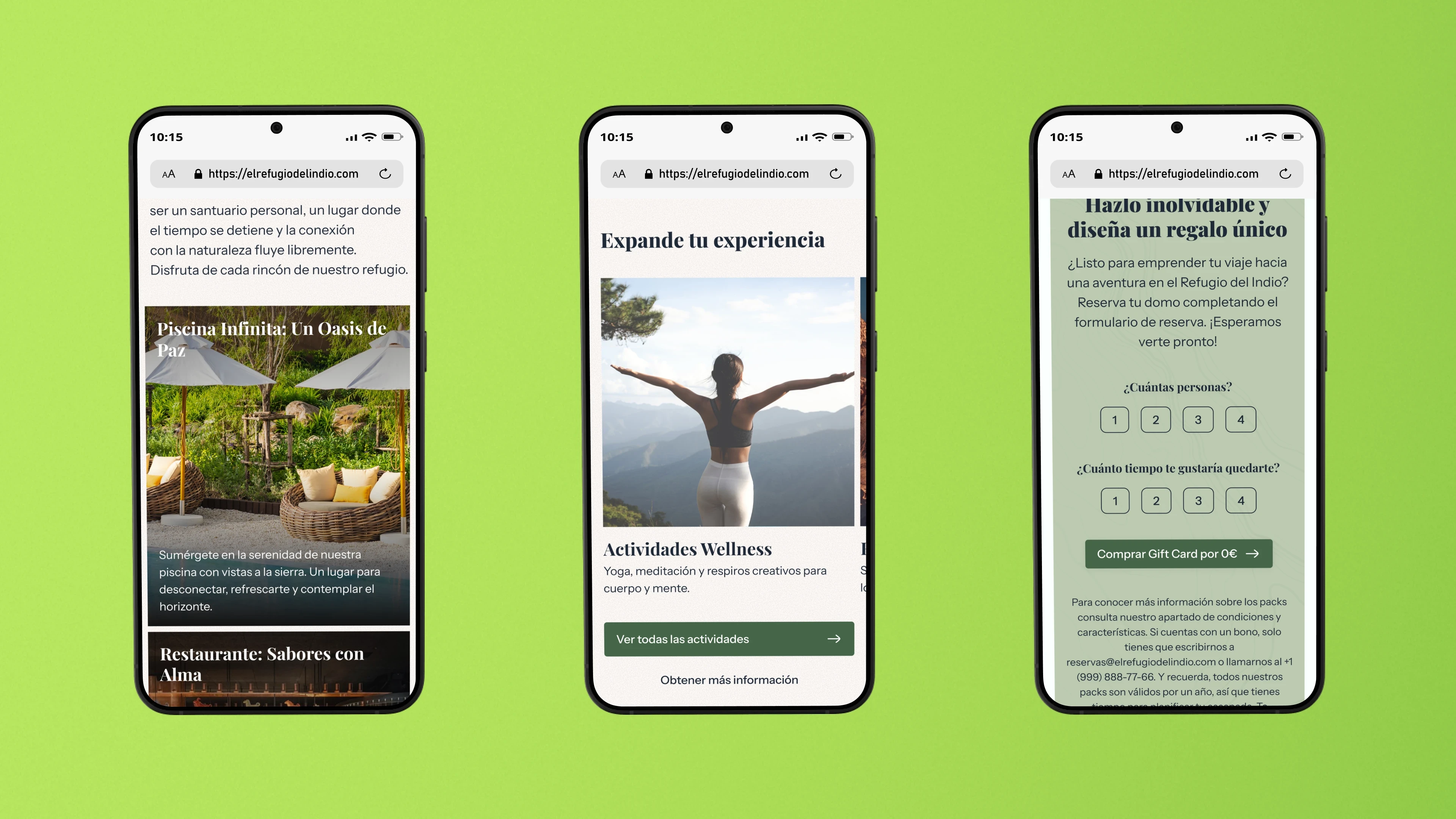
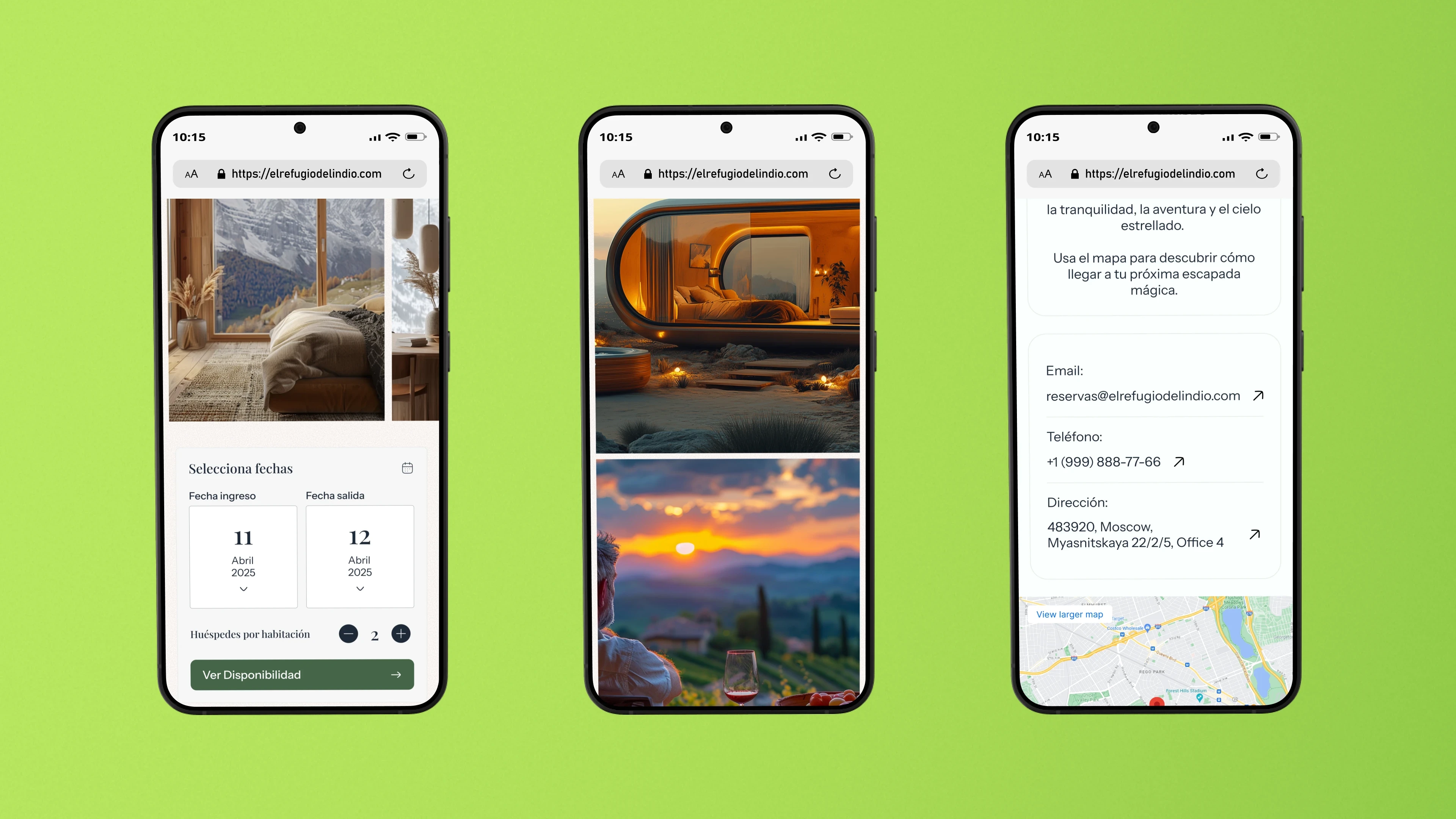
These solutions were designed with a mobile-first approach to ensure a consistent, high-quality experience on any device.
Lessons Learned
This project taught me to transform constraints into design opportunities. Instead of viewing the client's request as an obstacle, I approached it as a challenge to create creative and efficient solutions. I learned to prioritize usability and visual consistency over initial requests, achieving a design that not only meets the client's expectations but also significantly improves the user experience. My ability to manage ambiguity in the brief and propose a pragmatic process was key to the project's success.
Next Steps
The next crucial step is to validate the design with real users. Through a usability test with navigable prototypes in Figma, we will be able to obtain objective feedback on the purchase flows, navigation, and the impact of the visual narrative. The insights obtained in this phase will allow us to make precise, data-driven adjustments, ensuring that the final design is intuitive and meets the needs of "El Refugio del Indio"'s users.